Why is São Paulo So Populated? Chaos, Culture, and... Coffee?
And now, there are more people with Italian heritage in São Paulo than any region of Italy itself...
São Paulo
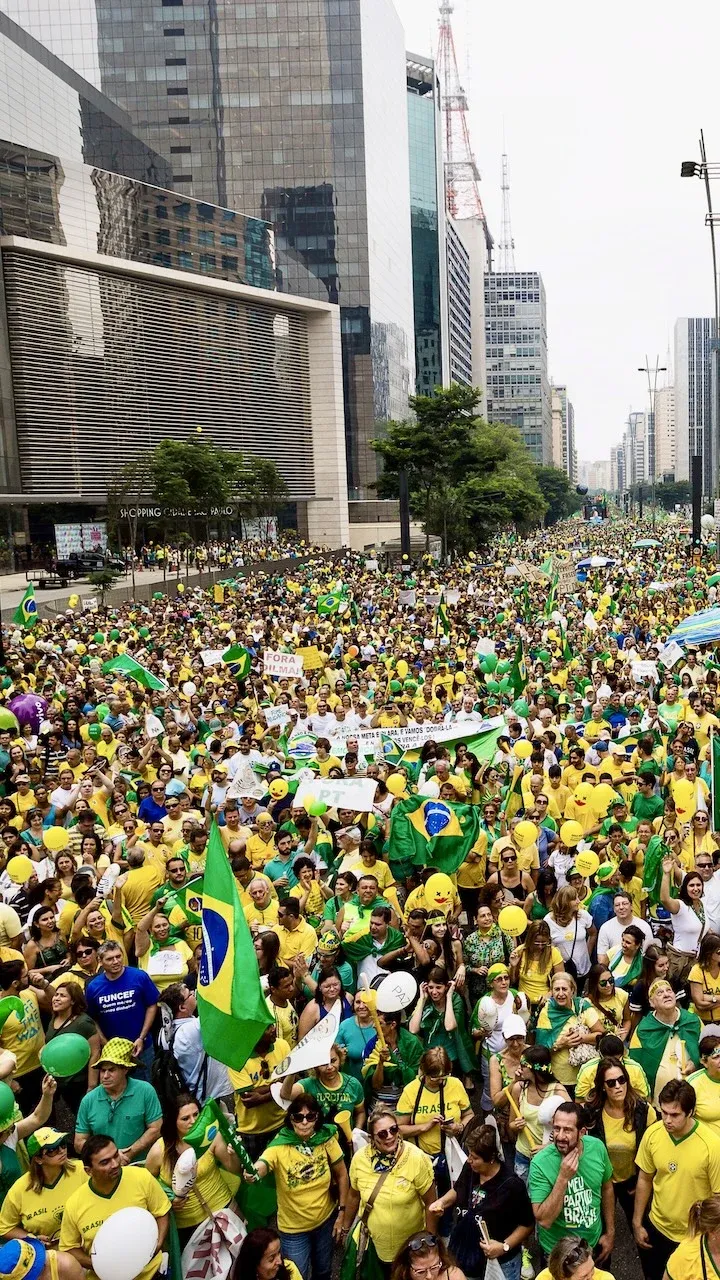
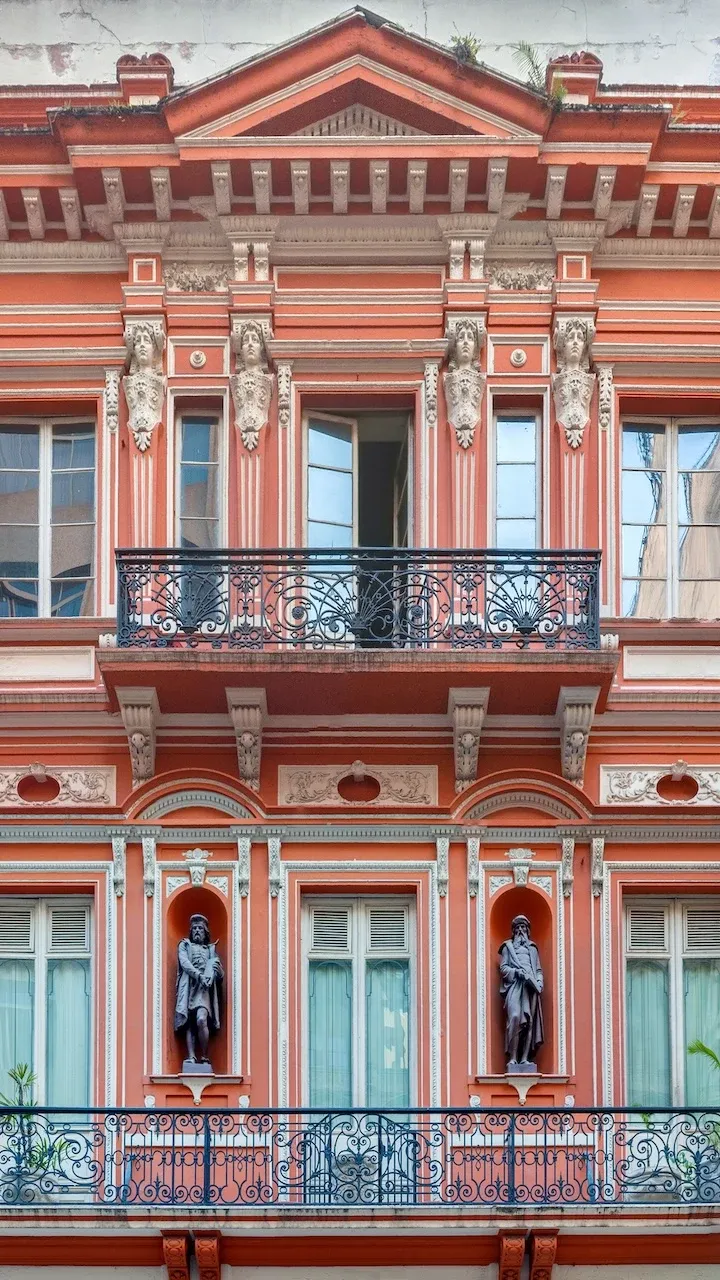
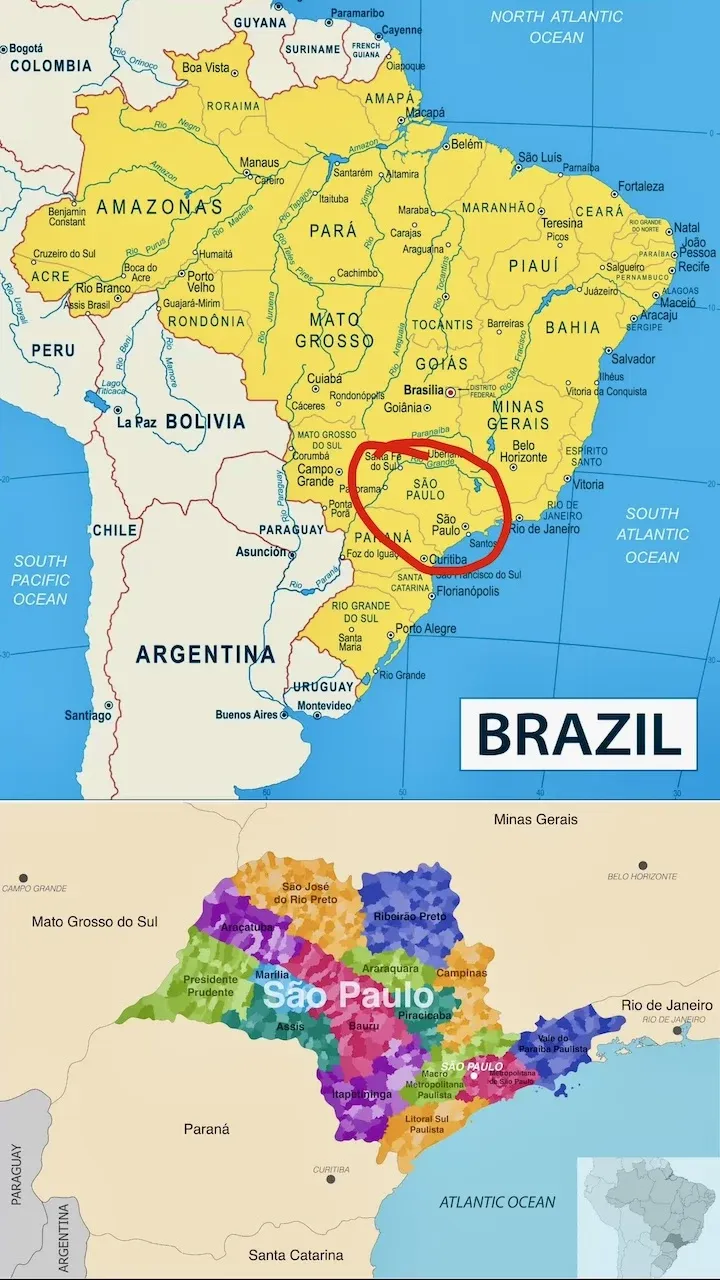
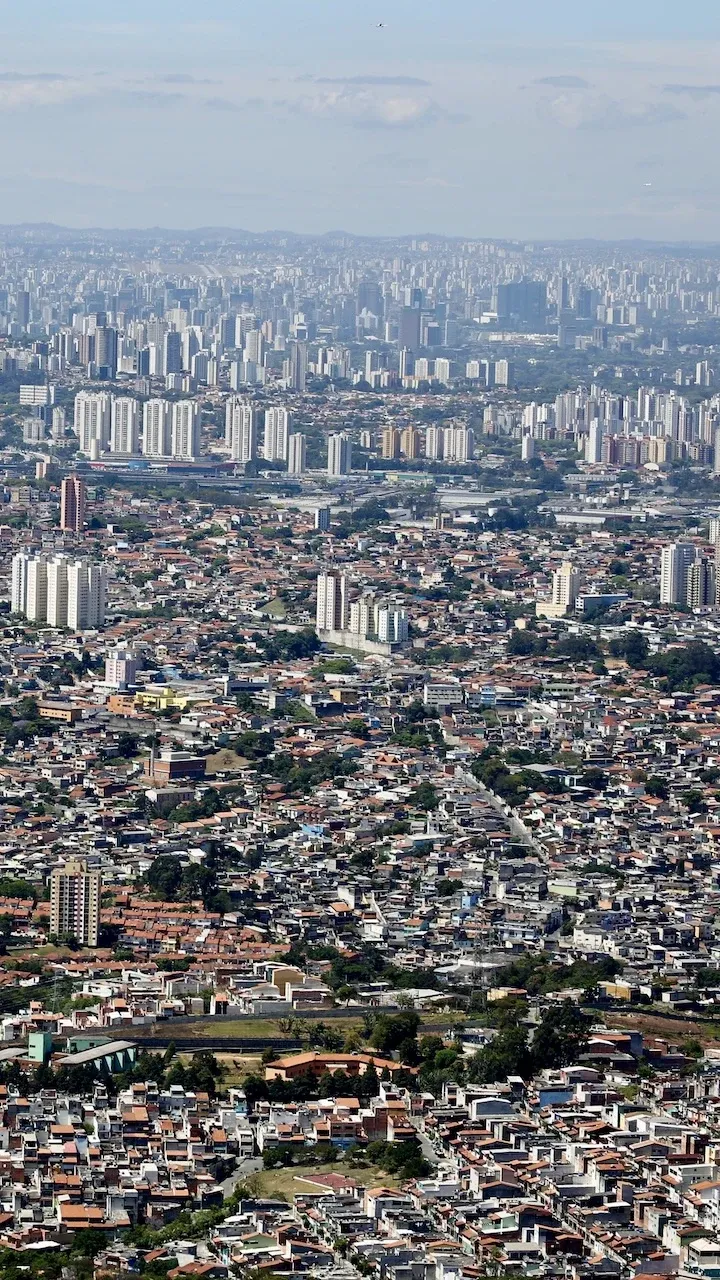
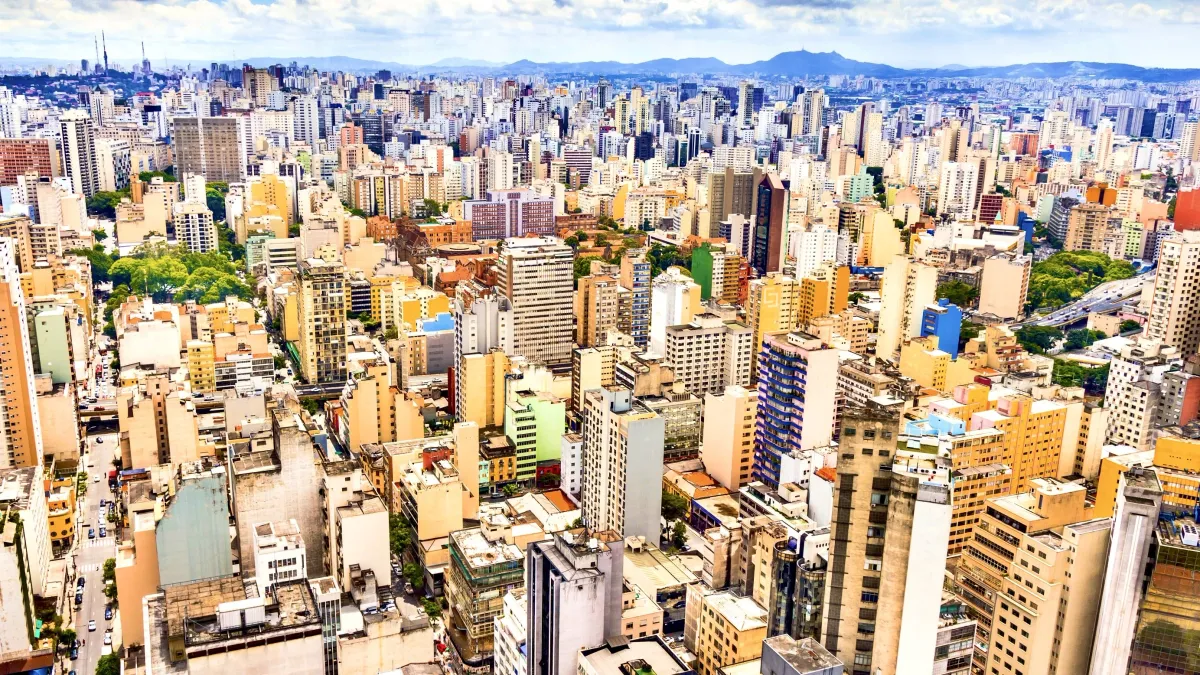
In the heart of Southeastern Brazil, sprawled across an undulating landscape, we find São Paulo. A metropolis with the combined pulse of more than 21 million people. The largest city outside Asia, this bustling behemoth stretches beyond its role as Brazil's economic engine. Today, you'll witness a kaleidoscope of human endeavour and diversity. A mosaic of culture, every bit as intricate as the Portuguese tiles which once adorned its colonial buildings.
But rewind the clock to the early 19th century, and you'll find a São Paulo in relative infancy. A young settlement brimming with dreams as grand as its lush landscapes. Imagine São Paulo then, dreaming big among the rolling hills and rain-drenched forests of rural Brazil. As yet unaware of its destiny to become the coffee pot of the world.
It's imperative that we look back to São Paulo's restless youth, to understand how we arrived here today. Because beneath the surface of this bustling megacity lies the mystery: why is São Paulo so populated? What drew countless individuals to this once humble village, transforming it into the pulsating heart of Brazil? Where is coffee grown in Brazil? And... how does São Paulo now boast the largest helicopter fleet in the world? Join me as we deconstruct the factors contributing to São Paulo's population explosion. A cocktail of chaos, culture, and... coffee.
From Humble Beginnings to Coffee Boom
A couple of centuries ago, São Paulo was hardly the sprawling metropolis it is today. Nestled on a plateau in Southeastern Brazil, just another small settlement with aspirations of growth. São Paulo's destiny was written; it was forever to remain in the shadows of Brazil's more bountiful regions. Though, fate began to shift with a glimmer of gold in the neighbouring state of Minas Gerais.
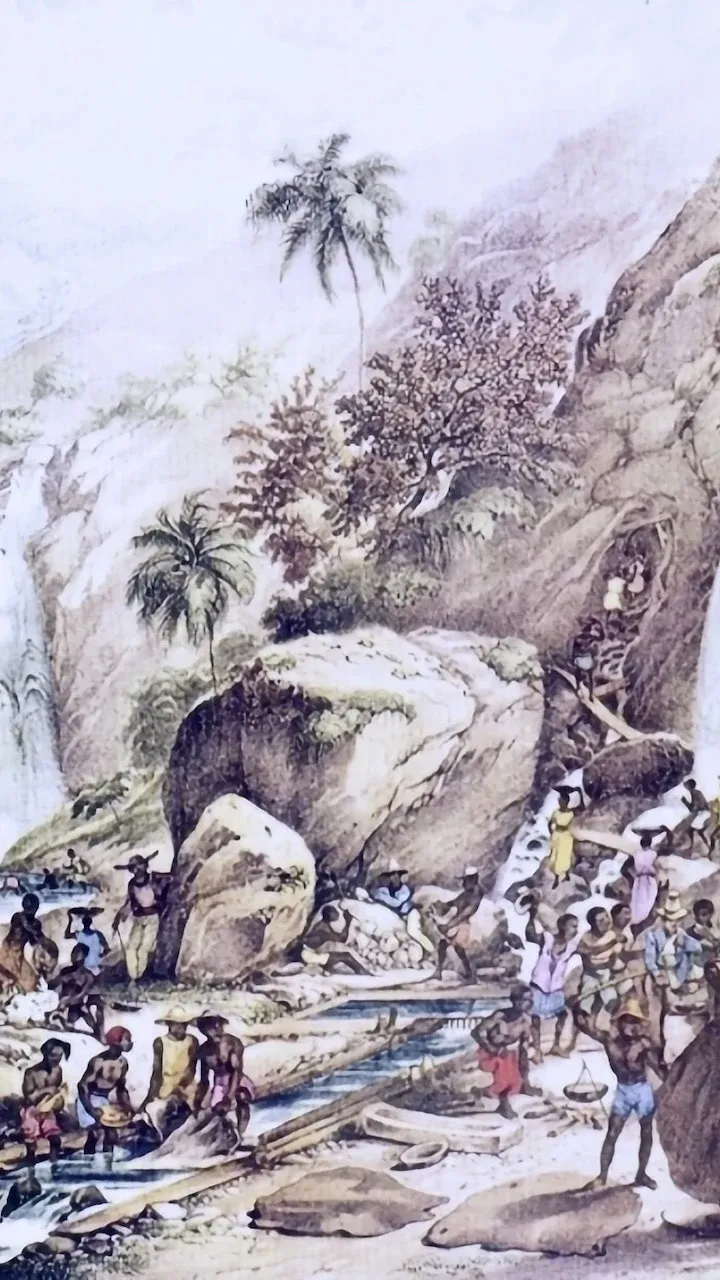
The shining discovery in the late 17th century resulted in a gold rush. A gold rush of which São Paulo could only peer over the garden fence at, in envy. A gold rush which accelerated the importation of slave labour into Southeastern Brazil. Though São Paulo itself wasn't rich in gold, this pivotal event would be the prologue for what came next. Because, an influx of forced-manpower began sowing the seeds for São Paulo's own transformation.
How Did Coffee Affect the Population of São Paulo?
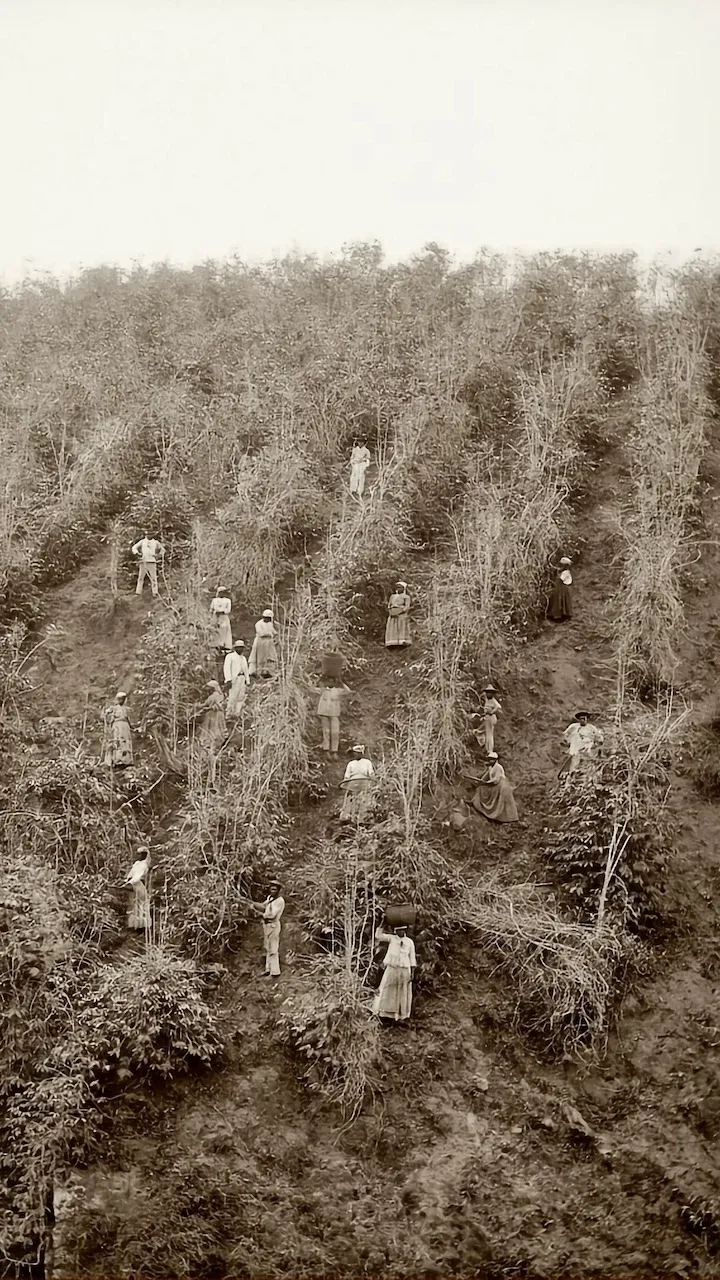
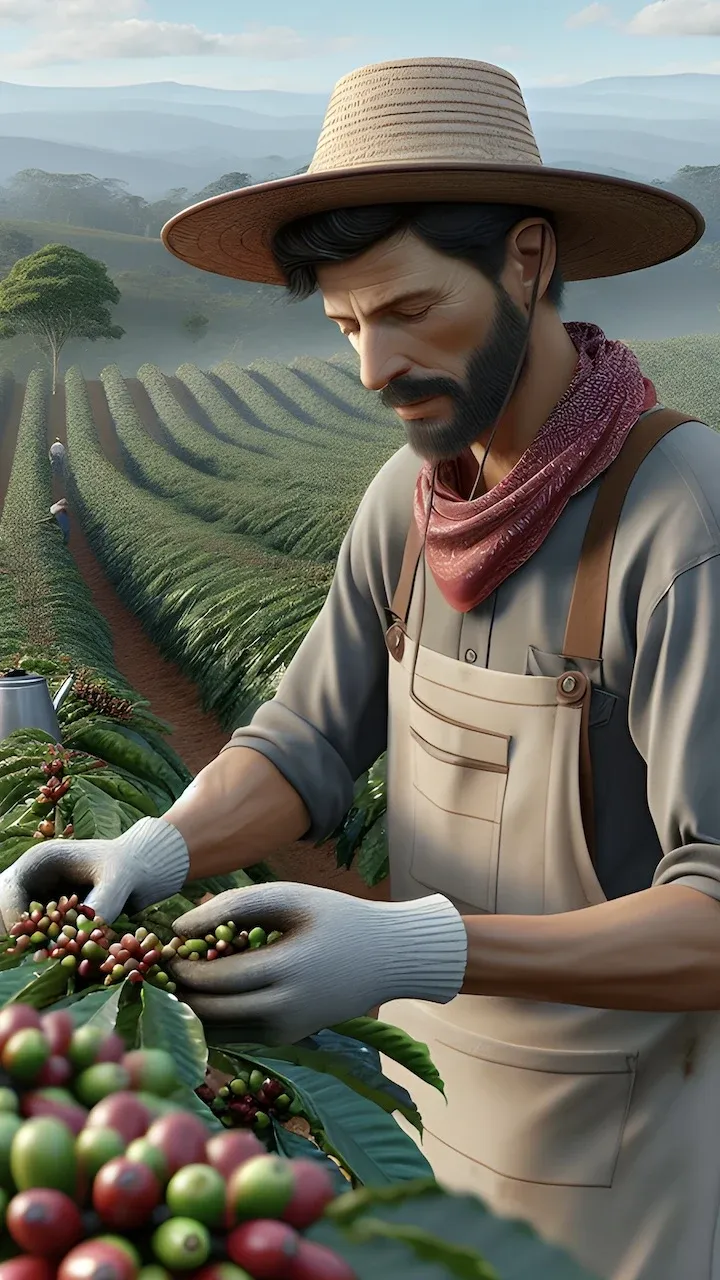
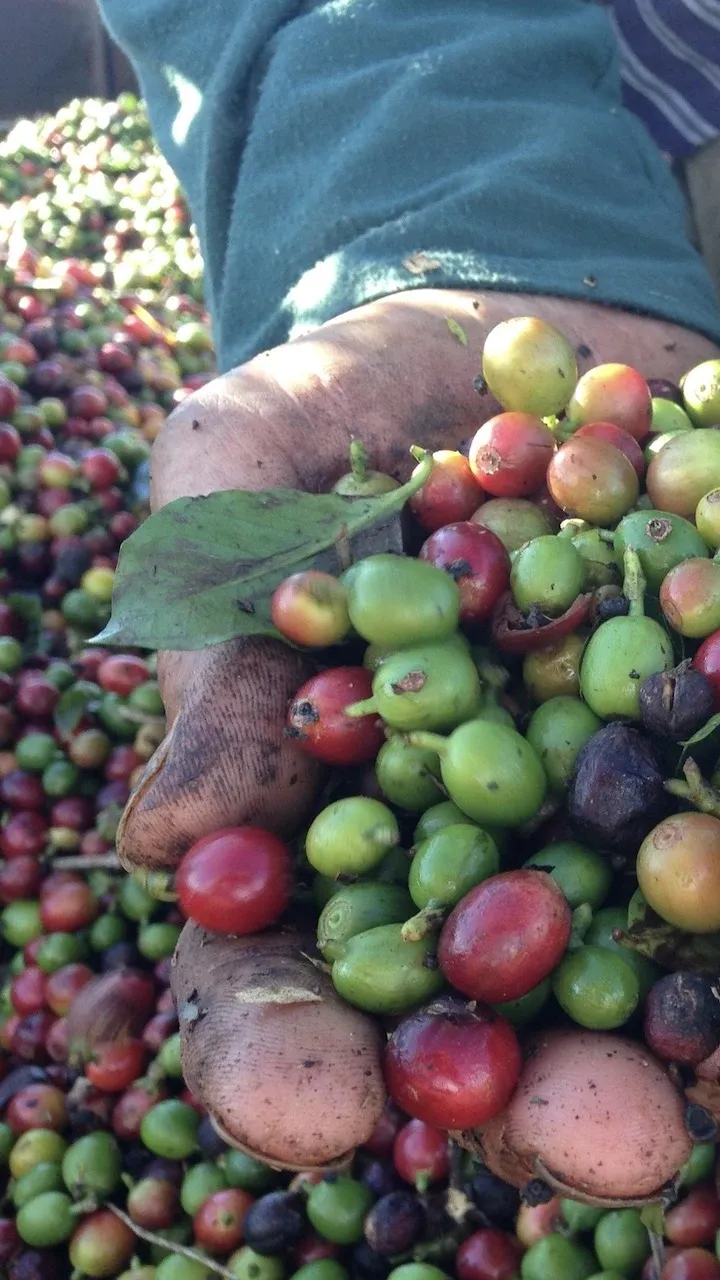
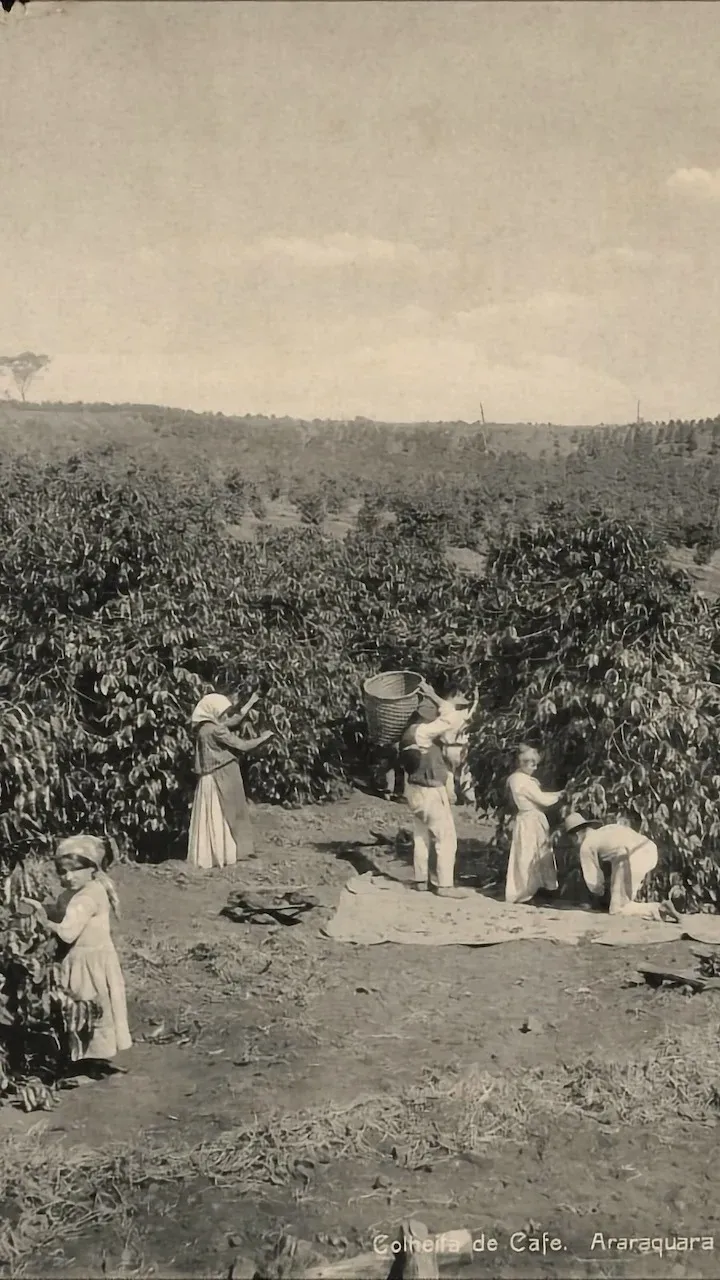
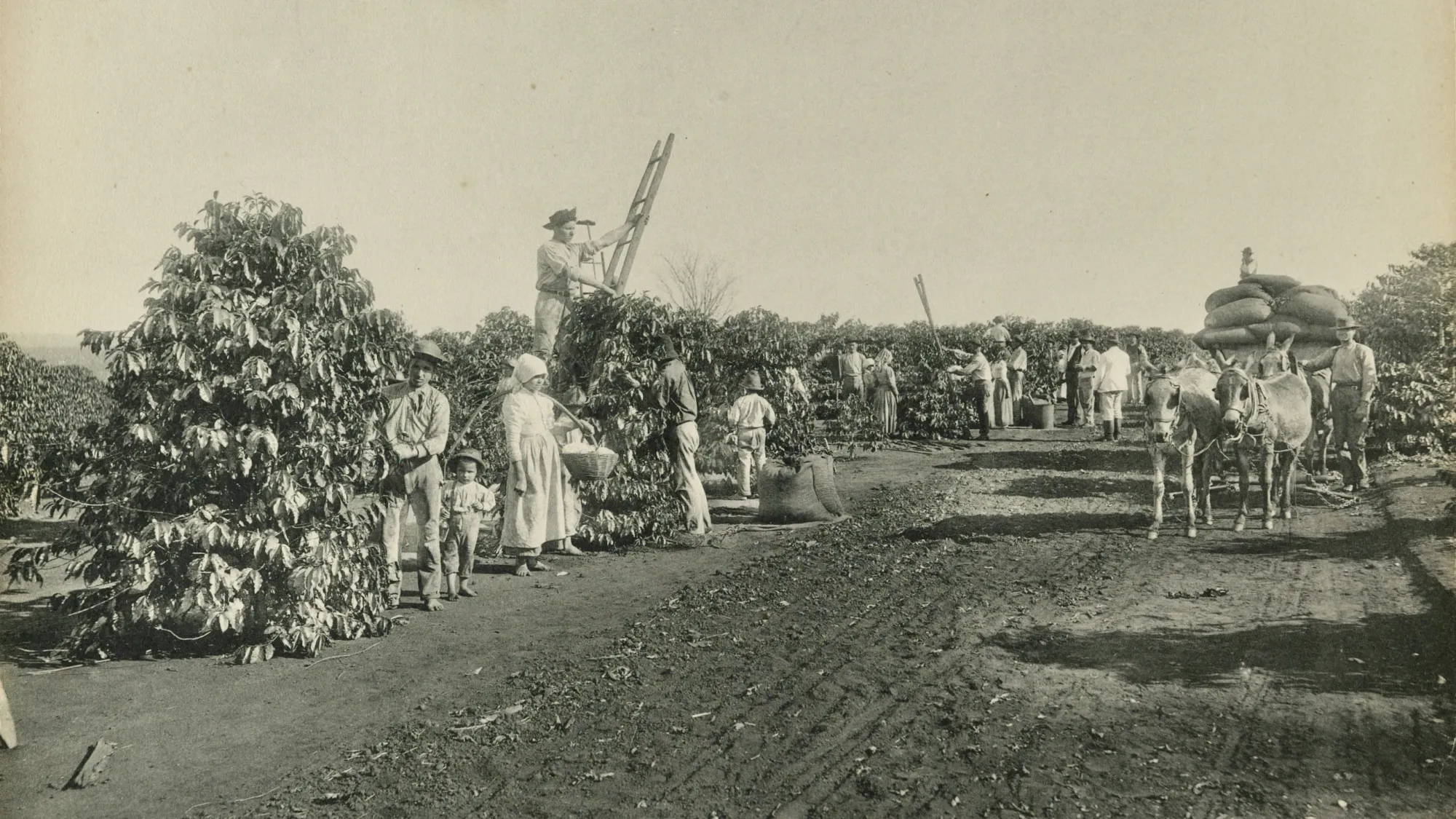
Allow me now to fast-forward to the 19th century, where São Paulo has made a discovery. Like something from a Disney film, the realisation of its dreams was possible all along. The climate, topography, and soil conditions are perfect for growing something far more valuable than gold: Coffee. And so, this once sleepy settlement began its transformation into a caffeine-infused trading hub. Coffee plantations sprawled across the state, a green tapestry woven directly into the landscape. Each plantation contributed to a reality where today Brazil is called coffee pot of the world, without a second thought.
Thus began an epic agricultural saga. Though - up to this point - these seismic transformations have only been possible due to one group of people. It's important to remember the human beings ensnared in Brazil's brutal slave trade, to which São Paulo owes so much. As the history of São Paulo continues to march on, enter stage left: the rise of 'coffee barons'. Wealthy landowners held sway over vast expanses of land dedicated to coffee cultivation. Not only that, but their business acumen fuelled visibility of the notable São Paulo economic growth on a global stage. And so, from its humble beginnings on a lonely plateau, to becoming an agricultural powerhouse. This concludes the first chapter of São Paulo's modern mystery: why is São Paulo so populated?
A Thirst for Labour
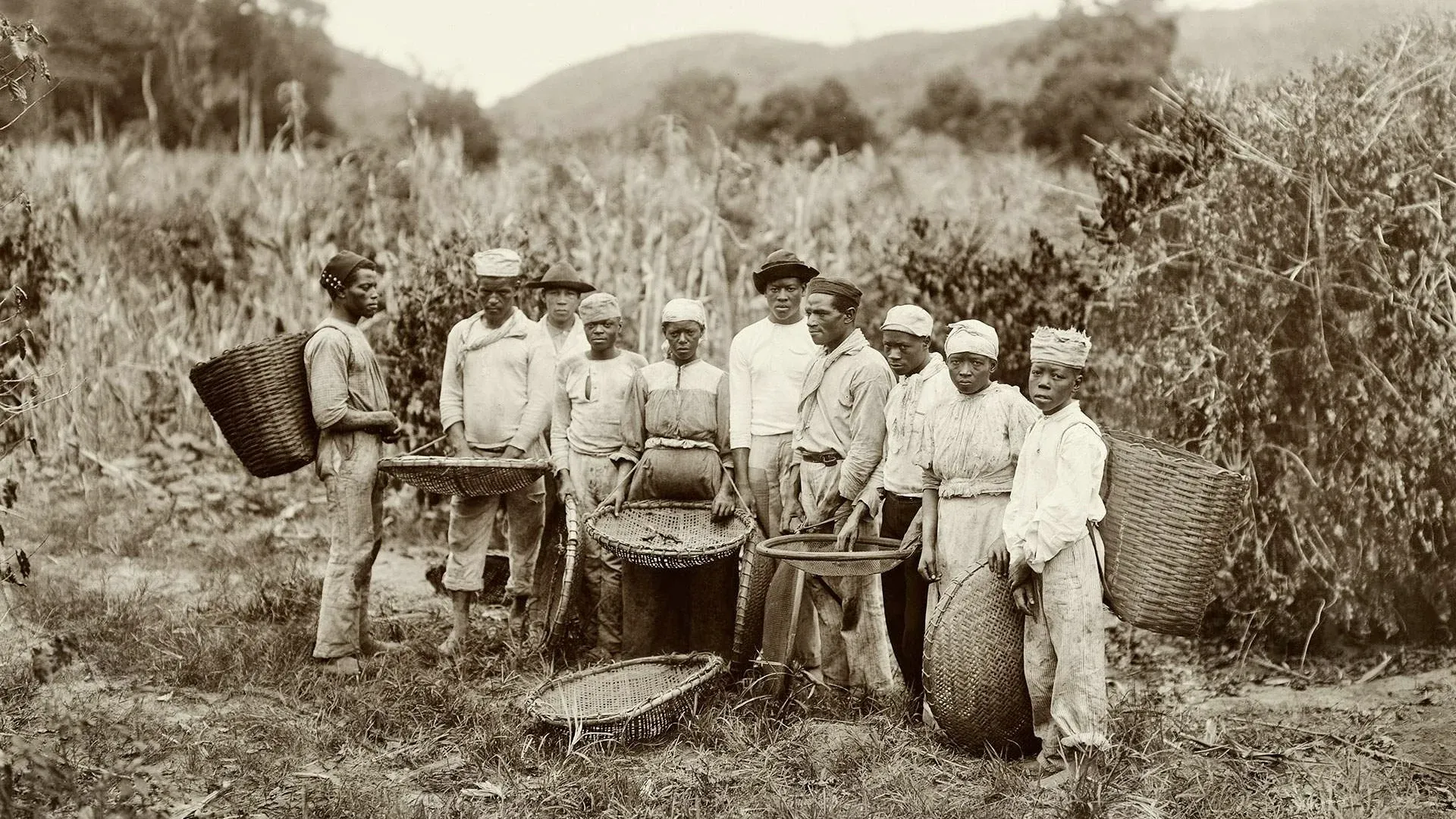
As demand increased for ever-more sprawling fields of green gold, a voracious demand for labour emerged. Initially, this hunger was satiated by forced labour. A practice which had served Minas Gerais's gold mining operations so well throughout the 18th century. Sadly, estimated totals show more than 5 million people were taken from Africa to Brazil, in the slave trade. Many of whom found themselves on São Paulo's coffee plantations.
Yet, the tides of change washed over Brazil in 1888 with the abolition of slavery. Positioning Brazil as the last country in the Americas to extinguish its flames. Although undoubtedly a step forward for humanity, it left an immense labour gap. The burgeoning coffee plantations had hit their stride, but grown too dependent on forced labour.
Why is São Paulo the Most Populous City in Brazil?
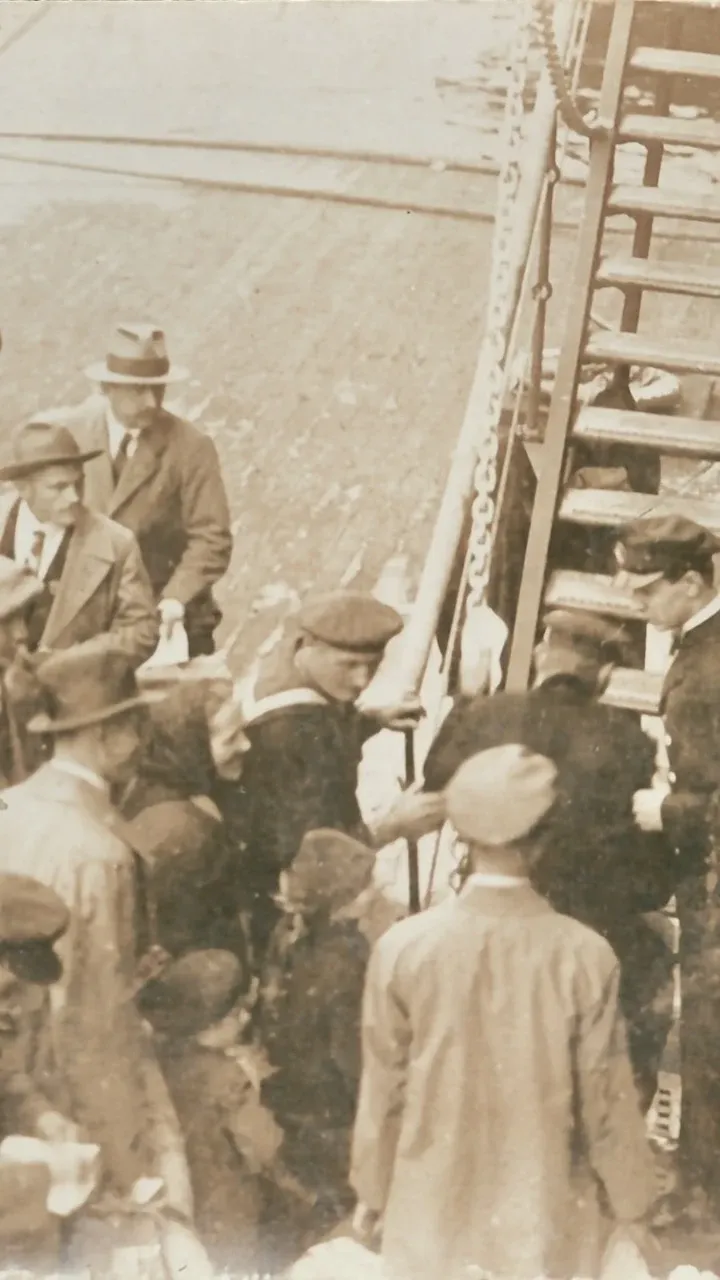
In response to this vacuum, São Paulo turned into a magnetic epicentre for waves of migration. Internal migration in Brazil hummed into life; all lured by dreams of prosperity. It drew people from Brazil's barren landscapes and lush rainforests alike. This was followed by waves of international immigrants too. Immigration from foreign shores tripledfrom 400,000 arrivals in the 1880s, to a staggering 1.2 million in the following decade.
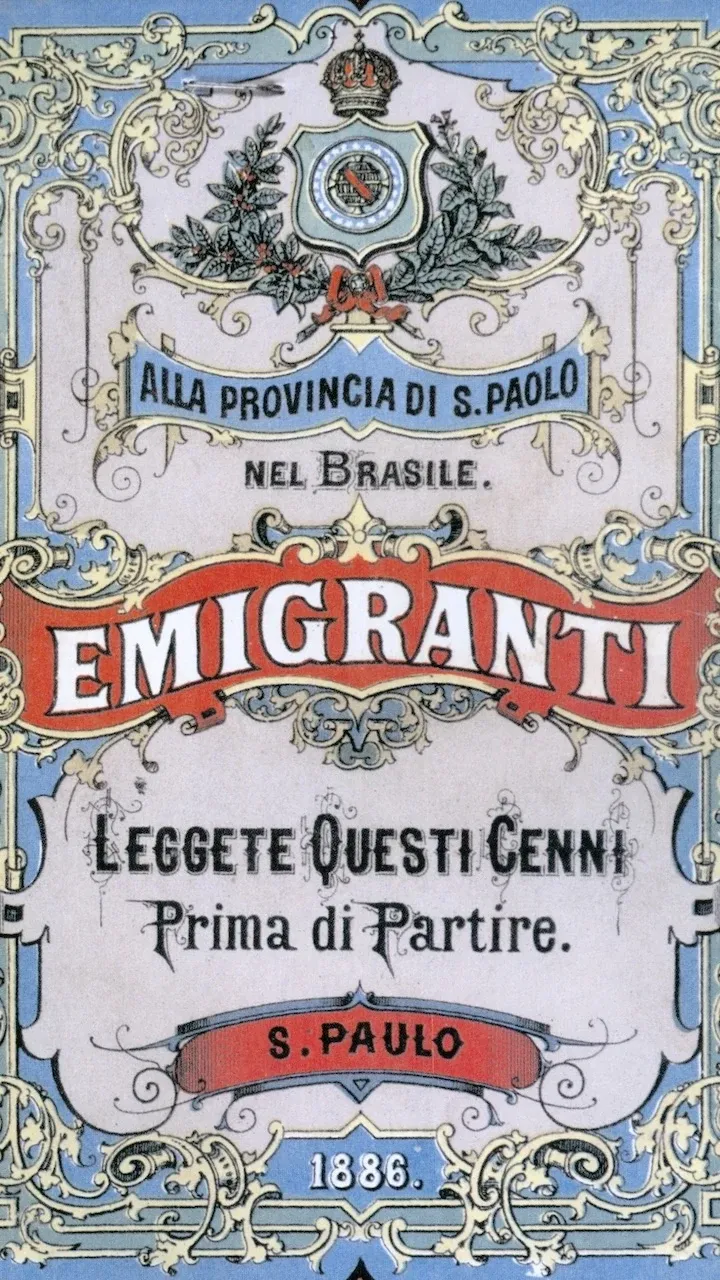
Remarkably, in the century between 1872 and 1972, over 5 million international immigrants made Brazil their new home. Italians, Portuguese, and Spaniards were among the largest groups to relocate. São Paulo immigration became a beacon for those seeking prosperity on foreign shores. In fact, 57% of Brazil's immigrants during this time chose to settle within São Paulo's welcoming embrace.
Still, there is one community of immigrants from the East, who have not yet been mentioned. People who ironically travelled Eastwards to arrive upon Brazilian soil in the West...
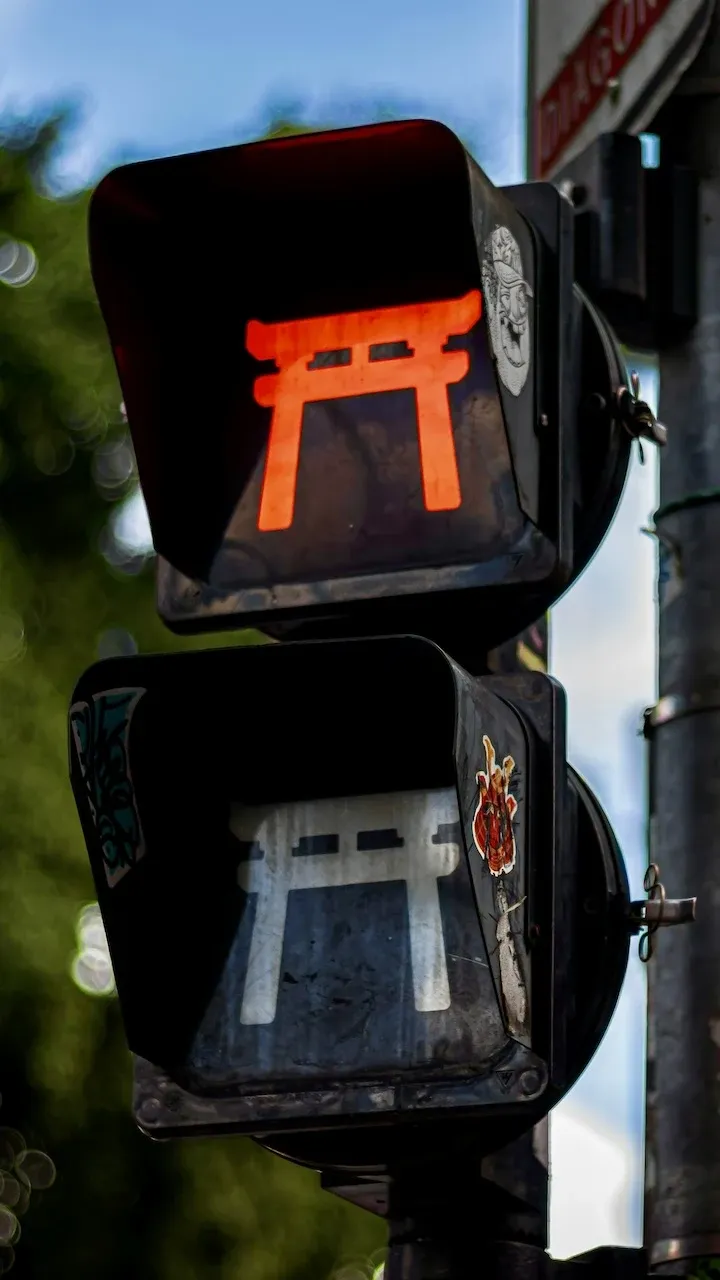
From the 1900s through to the late 1930s, the vibrant presence of Japanese settlers in Brazil grew. The Brazilian government wanted to capitalise on the positive perception of Japan at the turn of the 20th century. Japanese people were widely thought to be especially industrious and productive. So a campaign began in 1908, with incentives to attract Japan's farm-workers onto São Paulo's coffee plantations. The number of people making the trip doubled each decade over a period of more than thirty years. By the time World War II began to cast its shadow across the globe, approximately 200,000 people had made the trip. Japanese immigration to Brazil tentatively resumed even after World War II, in the 1950s.
The São Paulo population swelled with this influx of newcomers, as they sought their fortunes amidst the fields. An era where not only coffee, but also diversity and resilience, began to brew together in harmony.
Beyond Coffee
Another jump forward in our timeline brings us to a point at which there is a yearning for change. The first half of the 20th century saw growth in São Paulo's desire to reduce reliance on agriculture. In a fast-paced world - where standing still is akin to moving backward - this wasn't a passing whim. It was a strategic move to propel the city into a new era of prosperity. Yet, the transition would be anything but smooth. Infrastructure groaned under new demands. Labour unrest stirred as workers sought rights and fair wages. Not to mention, social inequalities yawned ever wider.
What Happened to São Paulo After the Coffee Boom?
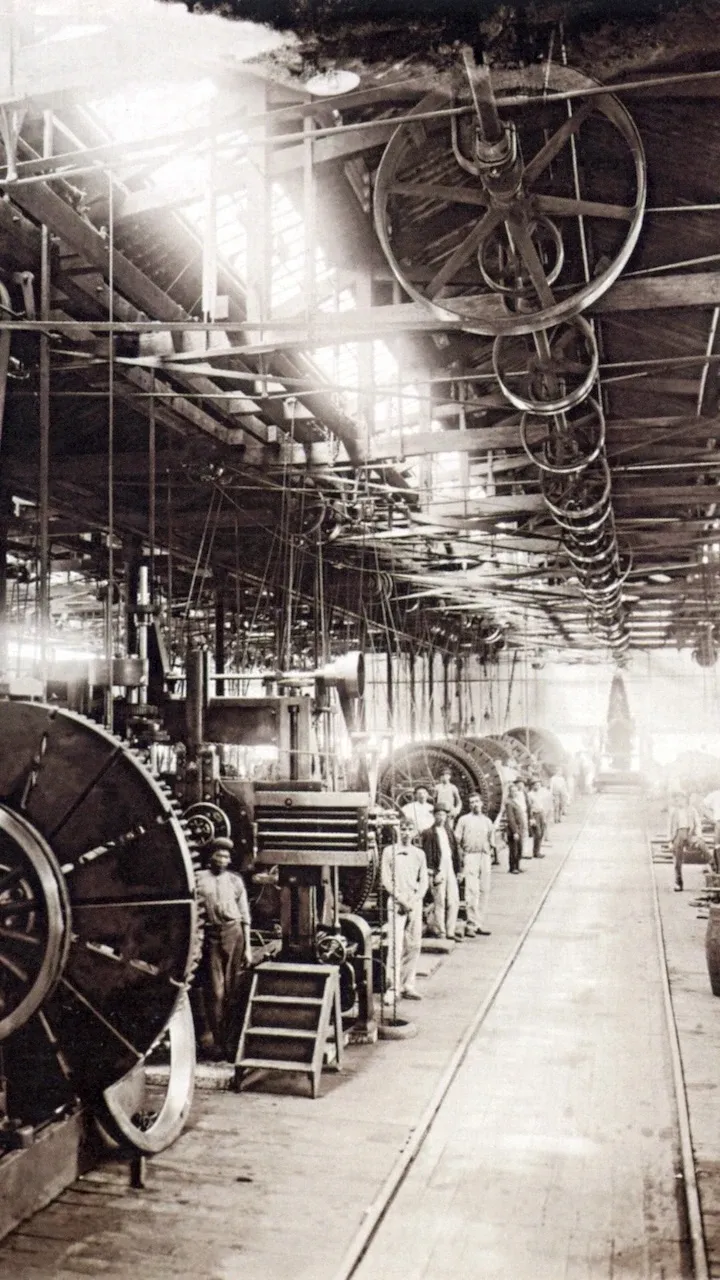
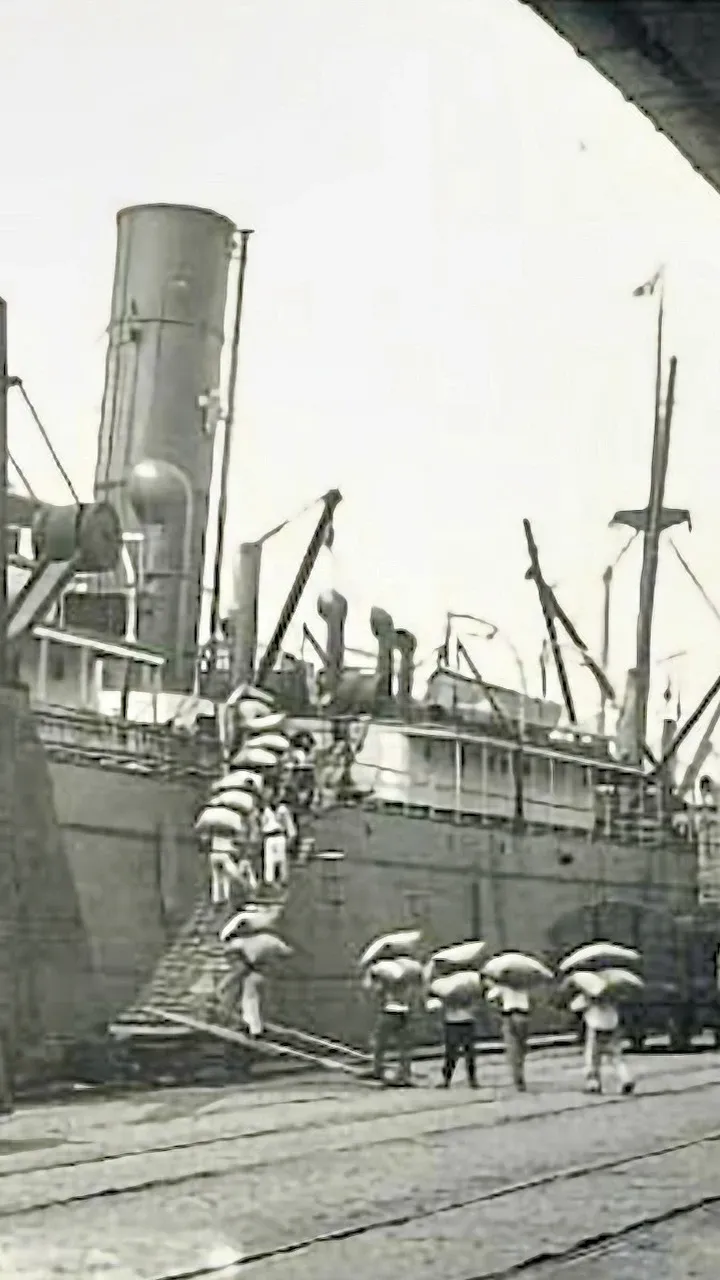
As it happened, external forces would push the matter of industrialisation in São Paulo at an accelerated pace. The tumultuous events of WWI and WWII served as catalysts, propelling São Paulo forward in its quest for diversification. Filling precious cargo ships with coffee wasn't high on the priority list of a Europe engulfed in war. Brazil had no choice but to adapt to the economic marketplace of the time. The chaos and destruction wrought by these global conflicts reshaped industries worldwide and São Paulo was no exception. Despite this, by 1940 São Paulo's population swelled past the 1 million mark. Just a decade later, that number had doubled, surpassing 2 million residents by 1950. Staggering leaps which painted a portrait of an increasing São Paulo population growth rate on the horizon.
The establishment of Brazil's first Volkswagen factory in São Paulo was a pivotal post-WWII moment. Volkswagen do Brasil's first modest assembly plant opened in 1953 in the Ipiranga area of São Paulo. It was followed up in 1959 by a fully-fledged factory in the city's municipality of São Bernardo do Campo. With this, it appeared Brazil - and the world at large - were seeing São Paulo for so much more than coffee beans. Today, 3 out of Volkswagen do Brasil's 4 operational factories are located within São Paulo state. Each one tempting yet more people to the area.
As the wheels of industry turned, looms began to hum with the rhythm of progress. Textiles and manufacturing emerged as some of São Paulo's new signature industries. Job opportunities in the city's newly diverse sectors lured many from far and wide.
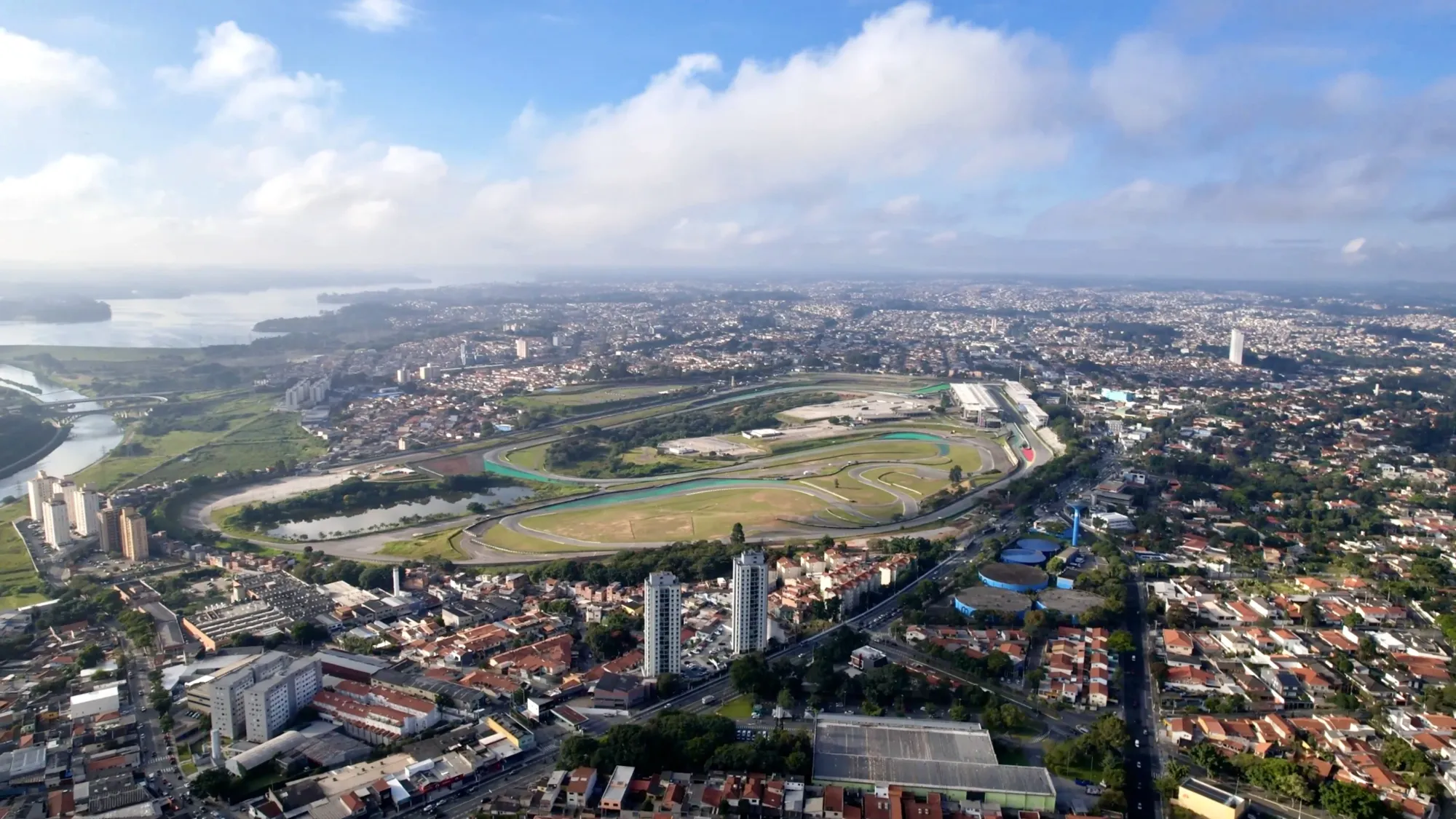
There's perhaps no better example of São Paulo's years of sprawling expansion than Interlagos. A mainstay on the Formula 1 calendar, Interlagos is a circuit found in a Southwestern pocket of the city. But what does Interlagos mean? Its Portuguese name translates to "between two lakes", echoing the location between two artificial lakes. The lakes are vital to the city for their supply of water and hydroelectric power. Though, the marshy land between the lakes was undesirable for residential development. So, the property developers who owned the land, instead allowed it to become the oasis of speed we have today. Yet, this once solitary São Paulo race track, built on marshland between lakes, has since been surrounded. Houses and industrial units alike now form a kaleidoscope of structures, engulfing the perimeter. A physical manifestation of the population density of São Paulo.
São Paulo now has a varied range of industries and has attracted a wide array of skills. With this, it blossomed into a mosaic of favelas and gated residential havens, skyscrapers and frantic factory floors.
A Mosaic of Cultures
This sprawling metropolis tells a story of cultural diversity in São Paulo, with characters from across the globe. A myriad cultures that have found a home within this urban giant. A thought that never fails to astound me is as follows... Italian immigration to Brazil was the largest group of immigrants during this time period. Of those Italian nationals, 70% settled in the state of São Paulo. But here's the big Italiano crescendo. Today, a few generations have passed since the São Paulo Italian population gained its first members. And now, there are more people with Italian heritage in São Paulo than any region of Italy itself.
What is the Main Reason São Paulo is so Big?
Traversing São Paulo is akin to globe-trotting. One minute you’re navigating unmistakable Japanese flair, mirroring Tokyo’s own dynamic districts. Next you're enveloped by rich aromas, wafting from traditional Italian bakeries reminiscing Rome. This ability to morph into a sanctuary for dreamers and doers alike underscores why São Paulo is so populated.
Though, assimilating into São Paulo’s embrace unfolded not without challenges. Picture arriving in a city where the only familiar thing is the uncertainty that greets you. Language barriers erect invisible walls, cultural norms stand only to set you apart. Yet, it was within this chaos that São Paulo’s unique melody emerged stronger and richer.
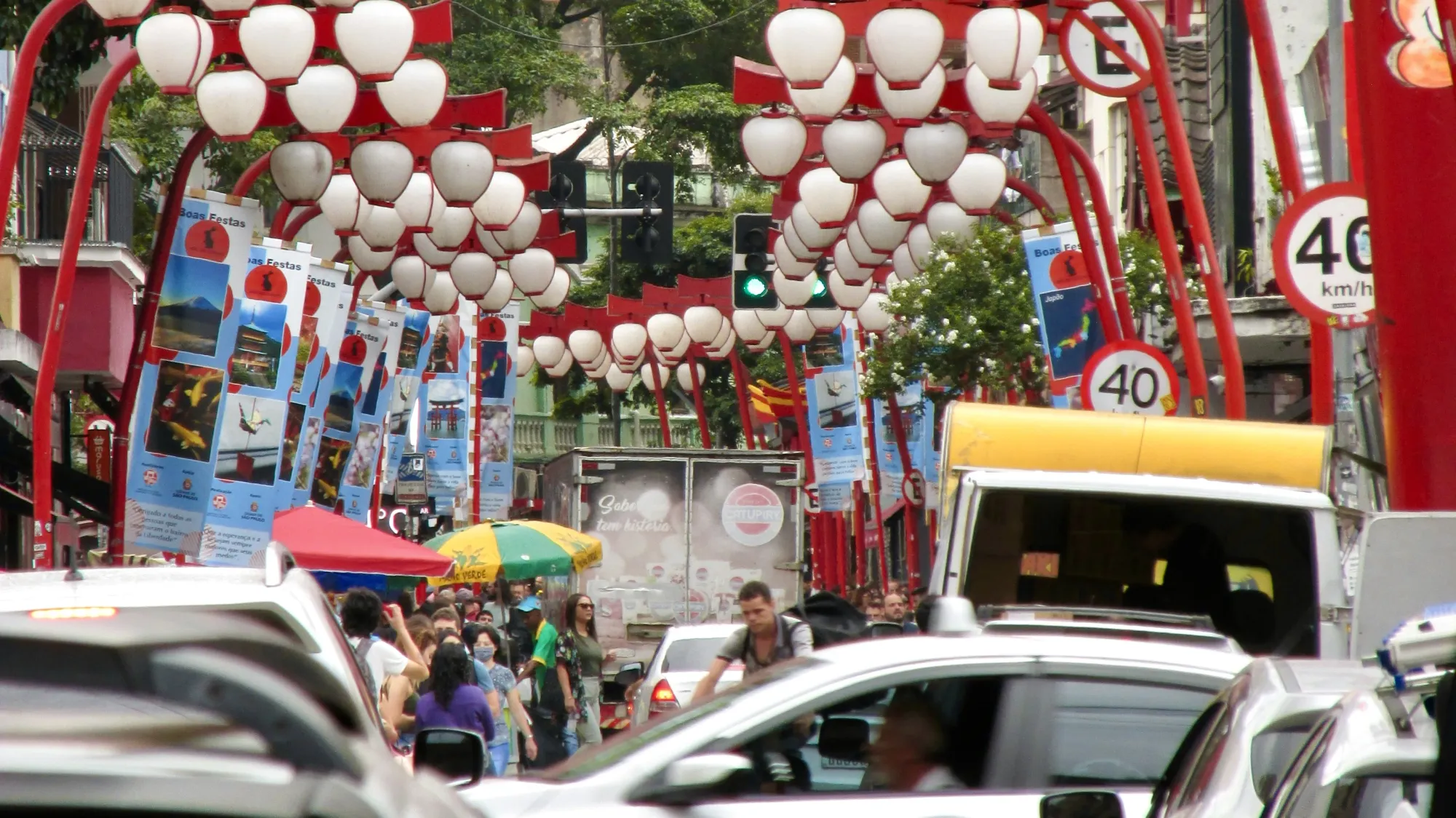
One particular neighbourhood stands out as a testament to this cultural fusion: São Paulo's Liberdade district. Home to a thriving São Paulo Japanese population. Whose presence adds an unexpected layer of fascination to this cosmopolitan city. This community's chapter of São Paulo history dates all the way back to Brazil's first Japanese immigrants. Today, wandering through Liberdade feels like stepping into a pocket of Japan. Lanterns sway gently overhead and the aromas of sizzling street food fill the air. This unique blend of cross-continental cultures is not just an addition to São Paulo. It is an integral part of the city's identity.
Yet, populations don't start and stop growing as people disembark onto Brazilian soil. New families form. First generation Paulistanos assimilate Brazilian flair. And they do so in ways only dreamed of by proud parents, who risked it all to plant roots in São Paulo. Hence, the perpetual motion of São Paulo's population growth continues.
—
The aroma of roasting coffee beans lingers as our story concludes. This amazing city stands before us, with our answer: the São Paulo population boom was no coincidence. It's a tapestry woven from ambition, hope, and survival. The coffee boom in Brazil, to which so much is owed to those who suffered during the long period of slave labour. Waves of migrants, seeking opportunities in a constantly diversifying landscape of possible vocations. A modern cultural mosaic, posing issues and moving society forward at different speeds.
From humble beginnings, São Paulo's narrative is one of economic growth and urban sprawl. The cut and thrust of the lively markets in Liberdade. The necessity of imperfect São Paulo favelas, which remain on the strength of their community. The intoxicating roar of the crowd, as honorary Brazilian Lewis Hamilton races around Interlagos. Each corner tells stories of dreams realised, no matter how slight or significant.
Challenges remain: the presence of favelas in São Paulo and the thorny issue of constant traffic jams. Both of which serve as daily reminders of the price paid for progress. The wealthy navigate the skies in helicopters to avoid the gridlock below. In fact, this demand ensures São Paulo's accolade for the world's biggest helicopter fleet. It’s a city of contrasts, where luxurious enclaves lie a few blocks away from no-go zones. Modern Paulistanos are embracing change, exploring and savouring their own locally brewed coffee. A departure from the past, where premium beans were always earmarked for export. Yet, São Paulo perseveres, a testament to resilience.
Perhaps the true question isn't "why" is São Paulo so populated? Rather, "how" does São Paulo manage to harmonise it all? How are an entire megacity's diverse histories orchestrated into one vibrant symphony?
Visual Story: The Rise of a Megacity